

What Should You Know About Motor Oil Color
The color of motor oil reveals a lot about your engine’s health and oil condition. Fresh oil is typically golden or amber, but as it circulates, it darkens due to heat, oxidation, and contaminants. Understanding what each shade means can help you spot early signs of trouble and keep your engine running smoothly.
Motor oil color chart
Understanding your engine oil color is one of the easiest ways to monitor its condition and keep your vehicle running smoothly.
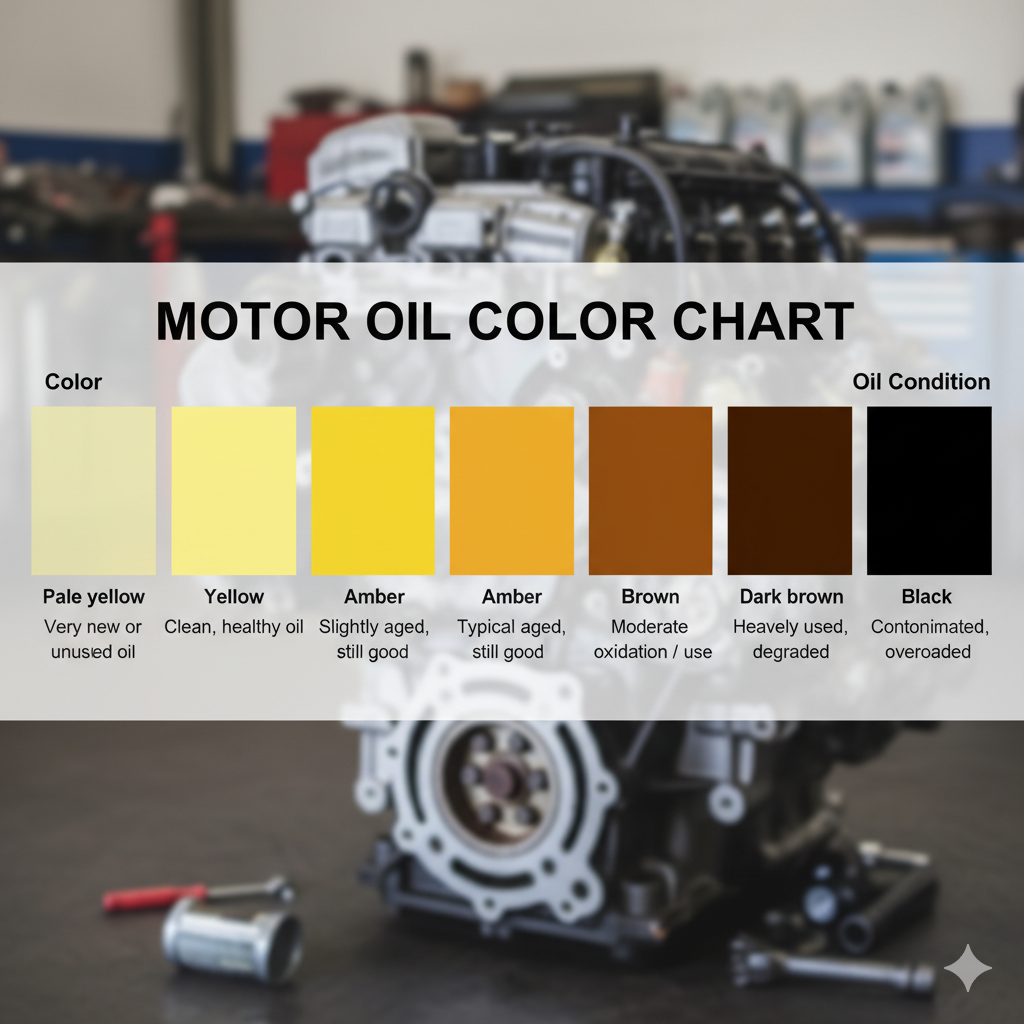
From fresh golden oil to dark, heavily used oil, each shade tells a story about how well your engine is being protected. Use this chart to quickly identify when your oil is healthy, aging, or needs to be changed.
|
Color |
Oil Condition |
Action |
|
Pale yellow |
Very new or unused oil |
No action, this is fresh oil |
|
Yellow |
Clean, healthy oil |
Normal operation, monitor |
|
Bright yellow |
Slightly aged, still good |
Continue usage, check later |
|
Amber |
Typical used oil |
Plan for next oil change |
|
Brown |
Moderate oxidation / use |
Change oil soon |
|
Dark brown |
Heavily used, degraded |
Change oil, check engine condition |
|
Black |
Contaminated, overloaded |
Immediately change oil and filter |
If you’re looking for reliable performance and protection without breaking the bank, check out our guide on the best conventional motor oil to keep your engine running smoothly.
What do the different motor oil colors mean?
The color of your motor oil can reveal a lot about its condition and your engine’s health. While some color changes are normal as the oil ages, certain shades can indicate problems like contamination, overheating, or excessive wear. Understanding these color cues helps you know when it’s time to change your oil, check your engine, or take preventive action to avoid costly repairs.
- Pale yellow: Indicates freshly poured or brand-new oil. It’s clean, transparent, and ready to protect the engine. No maintenance is needed at this stage.
- Yellow: This is the ideal color of healthy oil after limited use. It shows that the oil is circulating properly and maintaining its lubricating properties.
- Bright Yellow: Still in good shape, though it may have absorbed a minimal amount of contaminants. Continue monitoring the level and color regularly.
- Amber: A common and normal shade for used oil. It indicates the oil has been through several heat cycles but is still functioning effectively. Consider planning your next oil change.
- Brown: The oil is aging and may have lost some viscosity and cleaning strength. It’s time to schedule an oil change to restore engine protection.
- Dark brown: A sign of oxidation or contamination by dirt and combustion byproducts. The oil’s ability to lubricate effectively is compromised, replace it soon.
- Black: Indicates the oil is heavily degraded or contaminated with soot and debris. Immediate oil and filter replacement is recommended to prevent engine wear.
Understanding motor oil viscosity is key to choosing the right lubricant for your vehicle, especially when driving in extreme temperatures.
Why does motor oil change color?
Motor oil naturally darkens as it works. Exposure to heat, oxygen, and combustion gases leads to oxidation and carbon buildup. The oil also collects microscopic metal particles and dirt, changing its color over time. This process is normal but must be monitored to ensure timely oil changes.
Checking your oil is a simple but crucial step. Learn how to properly test your car’s oil level to ensure your engine stays protected at all times.
How to check if you need an oil change?
Beyond color, several other signs help you determine if an oil change is due:
- Thick or gritty texture when rubbed between fingers.
- Burnt or sour odor, indicating excessive heat exposure.
- Engine noise or rough operation, suggesting insufficient lubrication.
- Dashboard oil light or exceeded mileage interval since the last change.
Regular maintenance is essential, learn when to change your motor oil to extend your engine’s life and improve performance.
What color does bad engine oil look like?
Oil that is very dark brown or black, especially if thick or containing visible particles, signals degradation or contamination. This can result from poor filtration, overdue oil changes, or mechanical issues such as coolant leaks or incomplete combustion.
Curious about how long motor oil lasts before it needs replacement? We break down the factors that determine oil longevity and effectiveness.
What color to replace oil?
You should consider replacing your oil when it becomes dark brown to black or loses its transparency. While every vehicle differs, color combined with mileage and engine performance is a reliable guide for oil change timing. Before your next oil change, find out how much motor oil you need based on your engine size and manufacturer recommendations.
Is synthetic oil darker than regular oil?
Synthetic oils can appear slightly darker or clearer depending on their formulation and additives. However, color alone does not determine oil quality, what matters most is performance, protection level, and proper viscosity for your engine type.
Does engine oil color affect performance?
Not directly. The oil’s viscosity, detergents, and resistance to breakdown are what ensure smooth performance. While color can help identify aging or contamination, it’s not a precise indicator of oil quality.
Should oil be clear after oil change?
Fresh oil should appear light golden or transparent, but it can darken quickly once the engine runs. This doesn’t necessarily mean it’s dirty, it’s a sign the oil is circulating and picking up microscopic residues, doing its job effectively. Some drivers mix synthetic and conventional motor oil to balance cost and performance.