Low Engine Coolant: Symptoms & Warning Signs
Low engine coolant or antifreeze levels are among the leading causes of engine overheating and cooling system failures. While the symptoms may appear minor at first, ignoring them can result in reduced performance, expensive repairs, and even severe engine damage. Understanding the warning signs of coolant loss can help you identify problems early and protect your vehicle before a minor issue becomes a major repair.
What Happens If Your Engine Runs Low on Coolant?
Engine coolant / antifreeze, absorbs heat from the engine and transfers it through the radiator to maintain safe operating temperatures. When coolant levels drop or antifreeze performance is reduced, the cooling system becomes less efficient.
As a result, engine temperature rises quickly, increasing the risk of overheating, accelerated wear, and internal damage. Metal components expand beyond safe limits, engine oil breaks down faster under heat, and critical parts such as gaskets, seals, and bearings may begin to fail.
If not addressed promptly, low coolant levels can lead to severe engine damage, including head gasket failure, warped cylinder heads, piston damage, or complete engine seizure.
Maintaining proper coolant / antifreeze levels is essential for engine protection, performance, and long-term reliability.
Warning Signs of Low Engine Coolant
Low engine coolant levels can cause a range of warning signs that should never be ignored. Recognizing these symptoms early can help prevent engine overheating and costly mechanical damage.
1. Rising Engine Temperature
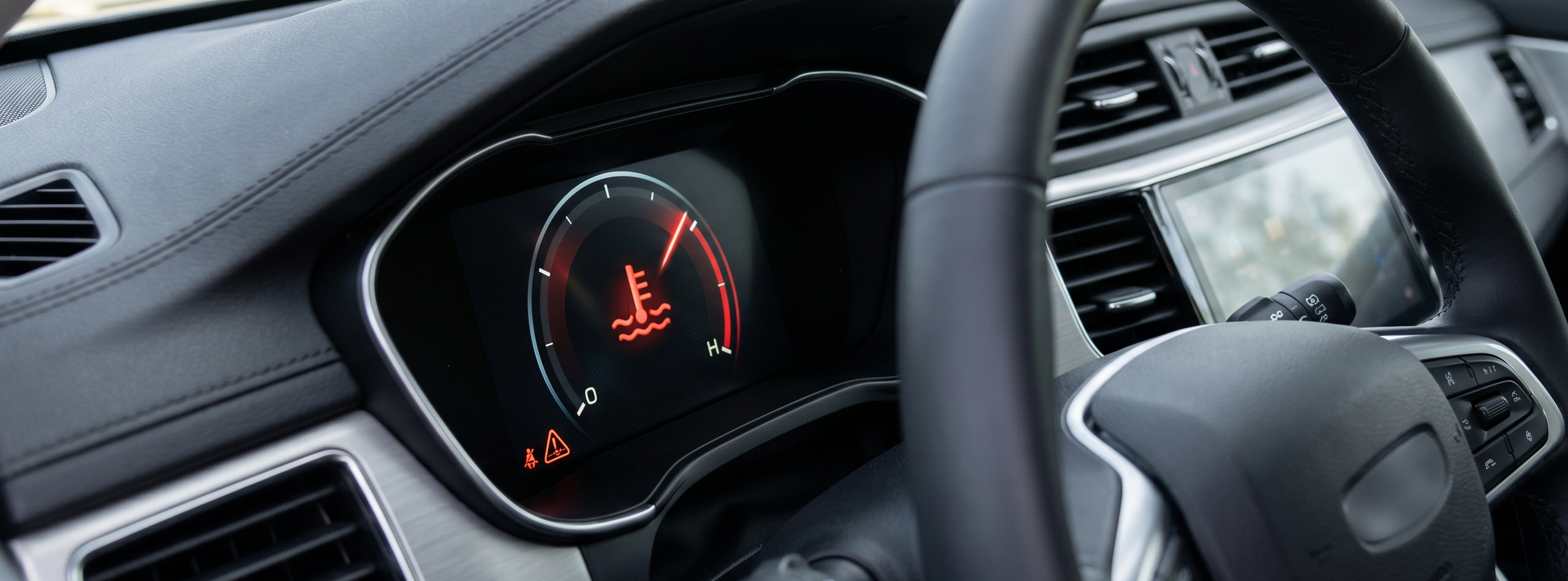
One of the earliest signs of low engine coolant is rising engine temperature.
- Temperature gauge moving above normal range
- Engine overheating warning light
- Frequent temperature fluctuations
When coolant levels are low, the system cannot absorb and transfer heat effectively, causing engine temperature to rise, especially in traffic or at idle. A healthy engine maintains a stable temperature once warmed up. If the gauge begins to climb, it often indicates reduced cooling efficiency due to low coolant or antifreeze levels.
Coolant is responsible for carrying heat away from the engine and releasing it through the radiator. When levels drop, circulation becomes less effective, increasing the risk of overheating.
What to do immediately:
- Turn off the A/C
- Turn on the heater to help reduce engine heat
- Pull over safely
- Let the engine cool before checking coolant
Do not continue driving if the temperature is rising. Overheating can quickly cause severe engine damage. Even if temperatures return to normal, the system should be inspected to identify the root cause.
2. Sweet, Syrupy Smell (Ethylene Glycol Leak)
That sugary, slightly chemical odor from under the hood or through the vents is a common early sign of a coolant leak, even when there's no visible puddle.
What causes it
Coolant is naturally sweet-smelling. When it contacts hot engine components, it evaporates and spreads the odor before any dripping or steam appears. Common sources: aging hoses, loose clamps, worn seals, or a failing water pump. Leaks often show up under pressure after the engine warms up, stop-and-go traffic is a typical trigger.
Quick checks (engine cold only)
- Note when the smell appears, after driving at idle, or with the heater on
- Inspect the coolant reservoir and visible hose connections
- Look for crusty or stained residue around fittings and clamps
When to get it checked
If the smell recurs, intensifies, or comes with a dropping coolant level, schedule a pressure test. Small leaks can become major failures, don't wait for symptoms to get worse.
3. Visible Coolant Leak
Colored fluid (green, orange, pink, or blue) under the front of the car is the most recognizable sign. It has a sweet chemical smell, easy to distinguish from dark engine oil or clear, odorless A/C condensation. Puddles may only appear after driving, when the system reaches full pressure.
Common sources: Radiator hoses, radiator, water pump, thermostat housing, or overflow tank.
Quick checks
- Place white cardboard overnight to confirm color and drip volume
- Track the puddle over days, a growing stain means the leak is progressing
When to act
As soon as you confirm it's coolant. If the reservoir drops but there's no puddle, don't ignore it, coolant can burn internally (e.g., cracked cylinder head) without leaving any trace outside.
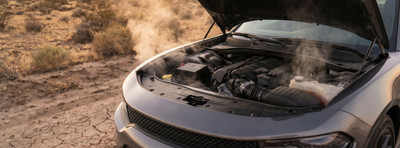
4. Steam from Under the Hood
Steam is the sign nobody wants to see, by the time it appears, the situation is urgent. It forms when coolant escapes onto extremely hot components or when the system boils over. Common triggers: split hose, failed radiator, bad cap seal, or pump failure. Heavy traffic is a typical scenario; reduced airflow raises pressure until the weakest point comes out.
What to do immediately
- Pull over and stop driving, continuing risks permanent engine damage
- Stay clear of the hood, escaping steam burns
- Do not remove the radiator cap while the engine is hot
Let the engine cool completely before any inspection. If steam was heavy or the temperature gauge spiked, have it towed, don't drive it in.
When to get it checked
Immediately, and usually by tow. Steam means active overheating or active coolant loss, both require diagnosis before the vehicle returns to regular use.
How to Prevent Low Engine Coolant Problems
Preventing low coolant conditions protects engine performance, extends component life, and avoids costly repairs, especially when paired with a coolant formulated for thermal stability and long-term corrosion protection.
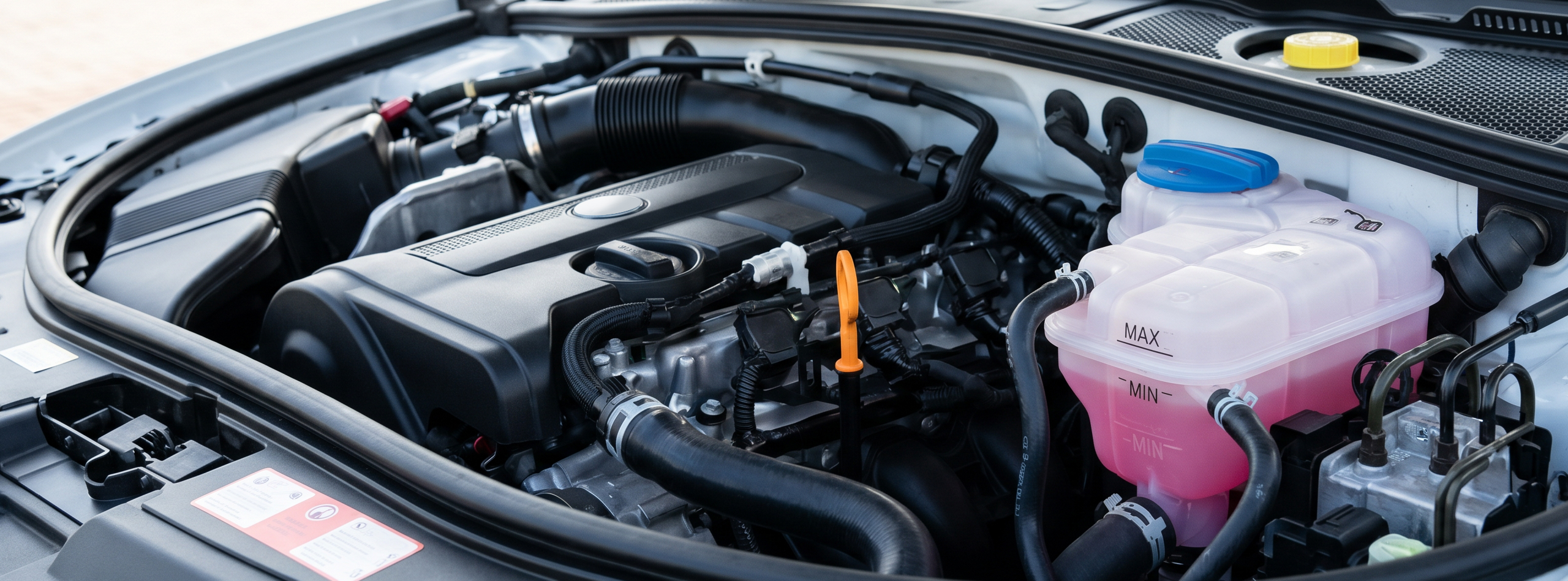
Check Coolant Levels Regularly
Inspect the overflow reservoir when the engine is cold. A consistent downward trend, even without visible leaks or overheating, is an early warning that requires attention.
Inspect for Leaks and Early Warning Signs
Look for colored fluid under the vehicle, damp spots around hoses or fittings, crusty residue near clamps, or a sweet, syrupy odor from the engine bay or vents. Catching these early prevents minor issues from escalating into system failures.
Use the Right Coolant for Your Engine
Not all coolants are equal. A premium-grade formulation like Ultra1Plus™ engineered cooling fluids delivers superior heat transfer, corrosion protection, and compatibility with modern engine materials — directly impacting cooling system reliability.
Follow Your Cooling System Maintenance Schedule
Flush and replace coolant at manufacturer-recommended intervals. Old coolant loses its inhibitor package, become acidic, and accelerates internal corrosion. Regular fluid changes keep circulation clean and system pressure stable.
Final Thoughts
Low engine coolant is more than a maintenance issue—it is an early warning that your cooling system may not be protecting your engine as intended. Recognizing the signs of coolant loss and addressing them promptly can help prevent overheating, reduce repair costs, and extend the life of critical engine components.
A properly maintained cooling system starts with regular inspections and the right coolant formulation. Ultra1Plus™ Cooling System Products are engineered to deliver dependable heat transfer, advanced corrosion protection, and long-lasting performance for today's demanding engines.
Don't wait for a warning light or an overheating event to take action. Stay proactive, maintain proper coolant levels, and trust premium cooling system protection to help keep your engine running at its best mile after mile.